$5M+
pipeline influenced
One year
36 → 785
social-influenced MQLs
2022 to 2023
4,731
Data and AI Masters registrations
One event series
The stakes
Social had no link to leads.
20+ products fighting for one feed, and no line from a post to a lead. Which means social was a cost centre with good engagement, and nobody could say what it earned. That isn’t a reporting problem. It’s a structural one, and it doesn’t fix itself by posting harder.
| Role | Communications Manager |
| Period | 2022 to 2025 |
| Designed | The UTM and campaign tracking, linked to Salesforce by marketing operations |
01
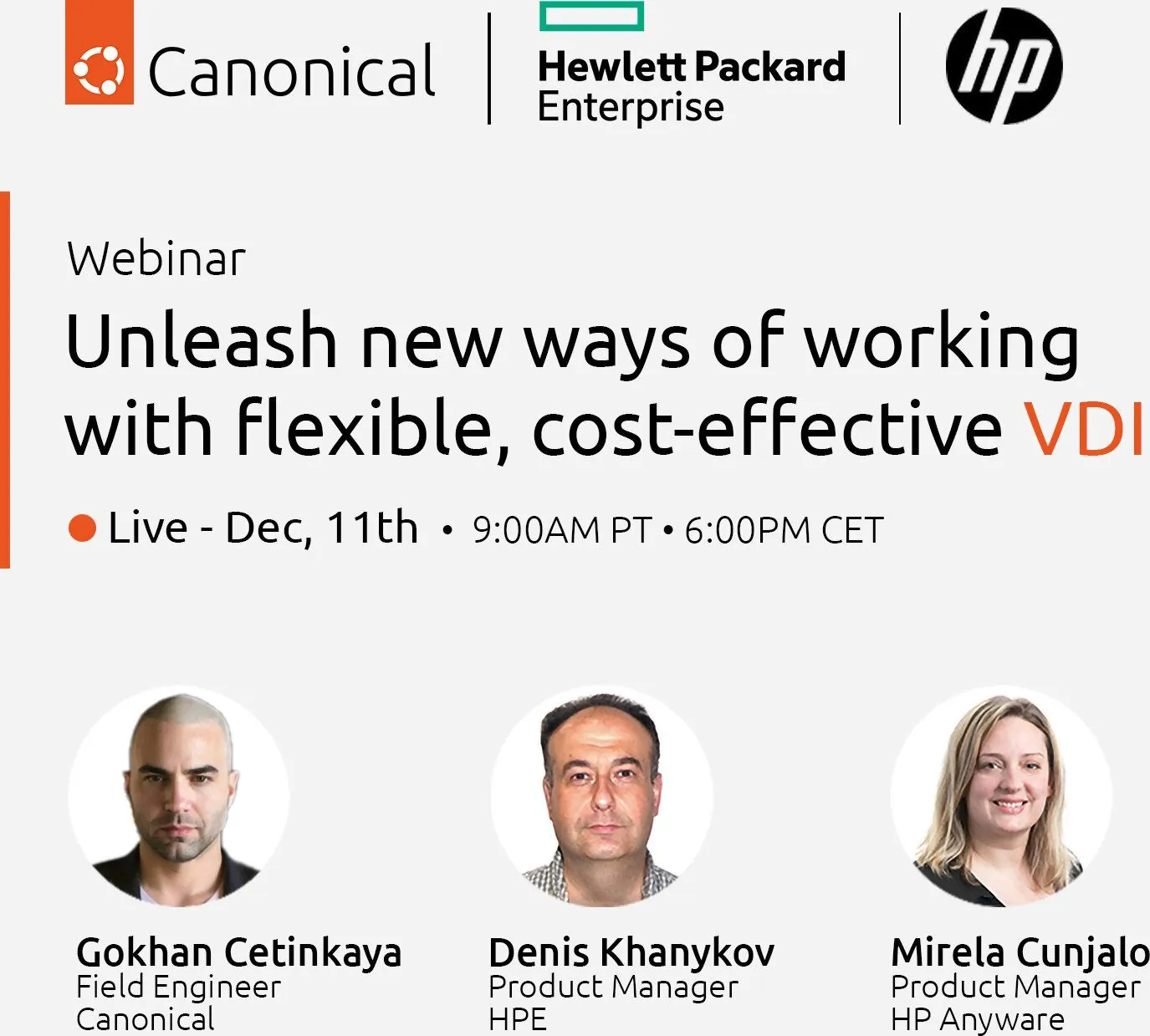
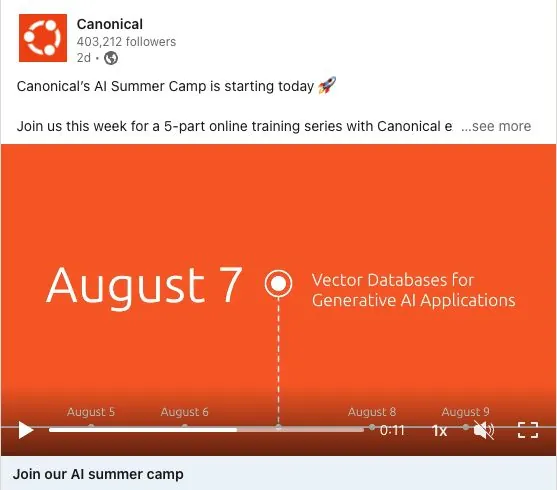
A calendar by topic bubble (AI, cloud, security, automotive), weekly then fortnightly, with partner series: AI Summer Camp, Data and AI Masters, HPE and HP, AWS GovCloud. One feed serving twenty products without becoming a wall of logos.
02
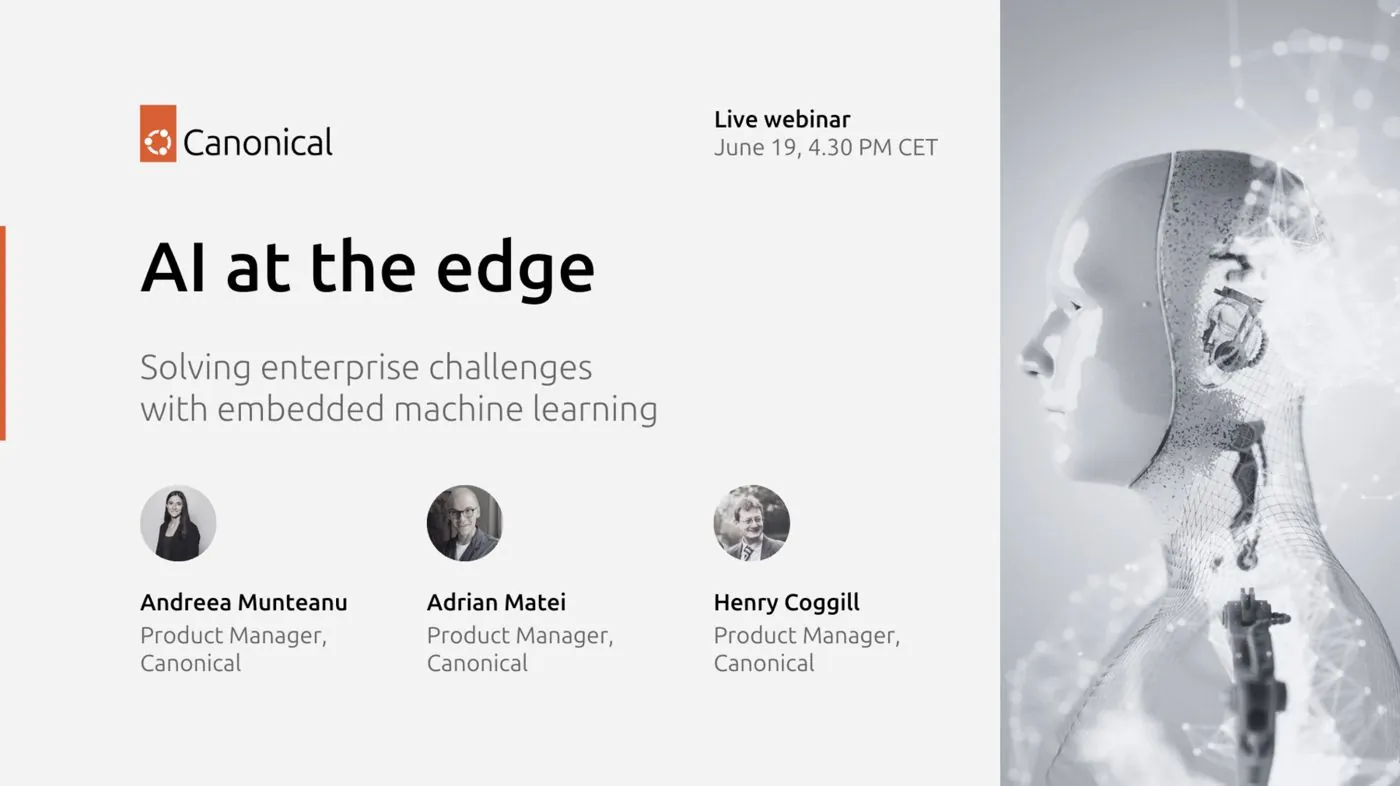
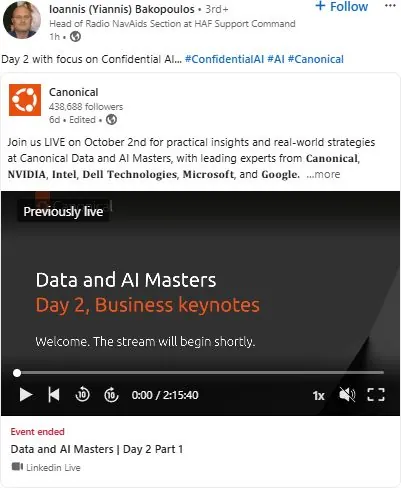
Every webinar rerun and cut into 1-minute trailers and clips, because the recording is the cheapest content you will ever make and most teams never go back and touch it.

03
A scoring system on quality, engagement and conversion, with MQLs delivered to sales and marketing, organic and paid, which is the difference between reporting on social and being accountable for it.
The proof
Social leads went from 36 to 785.
Social-influenced MQLs
Tag, route, feed, report
- 1 Tag: UTM and campaign tracking on every post
- 2 Route: tracking linked to Salesforce
- 3 Feed: webinars, whitepapers, lead forms
- 4 Report: OKRs and C-suite QBR data
The blog
Then · 2020
In their words
Thanks a lot for all the work you’ve done to raise the bar for social at Canonical and for putting Canonical on the virtual ‘great companies of this world’ map.
Thibaut Rouffineau · VP of Marketing, Canonical
His strategic direction played a key role in driving significant growth across Canonical’s social media platforms.
May Myo Set Htwe · Social Media Management, Canonical
What it means
So I built a profitable demand generation machine out of live and scheduled webinars and video streams. The tracking came first: a UTM and campaign structure designed so that a social-influenced MQL could actually be counted in Salesforce. Which raised the obvious question: what would happen if we asked the same feed to produce demand instead of impressions? 36 to 785 in a year, and $5M+ in pipeline influenced.
The long read
If you build it, they will come. If you can’t measure it, they’ll ask.
Social at a B2B company has a credibility problem, and it isn’t the reach. It’s that when the CFO asks what social did last quarter, the honest answer used to be a shrug with a very nice engagement rate attached. Field of Dreams worked because the audience showed up. It doesn’t work when the board wants to know what they did after they showed up.
Canonical had five portfolios, twenty-plus products, and a social operation that generated genuine attention and no provable revenue. That’s not a marketing problem. That’s an accounting one. So the first thing I built wasn’t content, it was plumbing.
A UTM and campaign structure designed so a social-influenced MQL could be counted rather than guessed. Every topic bubble, AI, cloud, security, automotive, got its own calendar, weekly then fortnightly, with partner series. Every webinar got rerun and cut into one-minute trailers, because a recording is the cheapest content you will ever own.
The scoreboard nobody argues with
Then the interesting part, and the part I’d defend hardest. Once you can sew a lead to a post, social stops being a cost centre and starts being a channel with a P and L. 36 social-influenced MQLs in a year became 785. $5M+ in pipeline influenced. 4,731 registrations for one event series, Data and AI Masters, with no paid reach behind it.
I’d love to claim that came from better posts. It didn’t. It came from a scoring system on quality, engagement and conversion, and from handing MQLs to sales instead of handing a dashboard to nobody. The content was already good. The measurement is what made it count.
What it actually changed
There’s a version of this story that’s about social media, and it’s the boring version. The real one is about what happens to a team that can finally prove its own contribution. People stop asking permission and start making bets.
If I had to argue for one thing, it’d be this: attribution is the least glamorous job in marketing and the one that decides whether you exist in two years. It’s the sound department on a film. Nobody walks out talking about it. Take it away and the whole thing falls apart.
So if I were starting this again tomorrow, what would I build first? Not the calendar. Not the content. THE PLUMBING. Everything else is decoration until you can prove something.
Next story · Chapter 02 · Canonical
560,395 followers. Second only to Red Hat.
560,395
LinkedIn followers, up from about 90K
Your company could be next
Talk about doing this for your team.