16.5M
combined reach
Ten creators, one campaign, zero placement spend
+9.2%
new subscribers
In one launch day
The stakes
Reach that ads could not buy at a profit.
A personal growth company runs on launches, and Mindvalley was running two a month. Paid reach at that cadence is a subscription to a treadmill: the day you stop paying, the audience stops arriving. So the question stopped being how do we buy more reach, and became how do we borrow reach that already exists, from people the audience already trusts.
| Role | Head of Partnerships and PR |
| Period | 2019 to 2020 |
| Region | APAC |
| Owned | Creator network, PR agency retainer, launch coverage |
01
Ten creators, one brief, one window: 20 to 25 April, with content approvals, ad account connections and scheduling all locked before day one.
02
Every creator post carried a tracked retargeting link, which is what turned borrowed reach into a list you could talk to again.
03
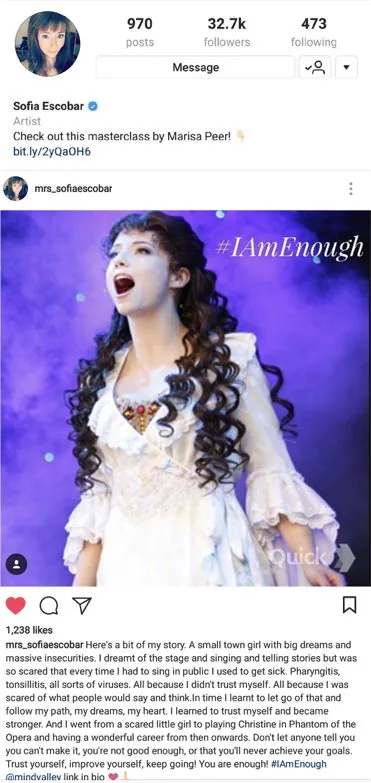
#IAmEnough worked because the audience was already telling that story without us. We amplified a sentence they had written.
04
The PR side ran on a one-year agency retainer held against agreed KPIs, plus network events across APAC including the Cision roundtable.
The proof
Creators instead of media spend.
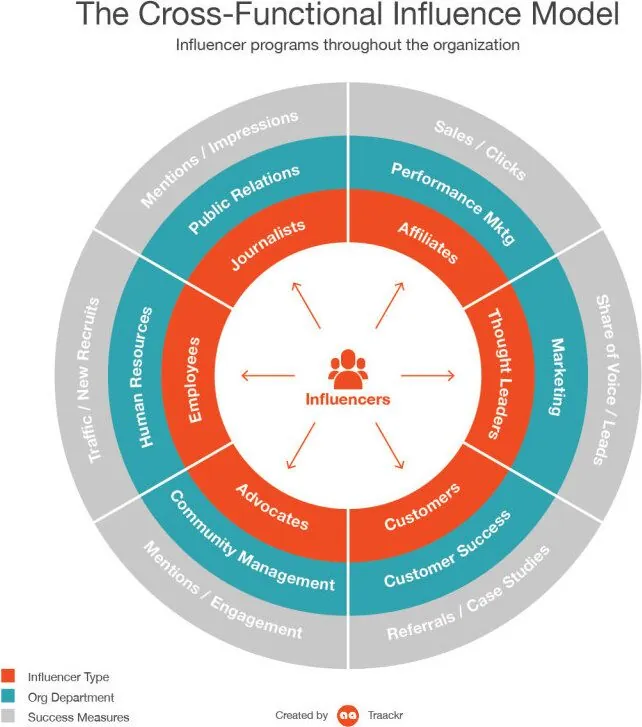
The cross-functional influence model
Ten creators, one window
16.5M
combined reach
0
placement spend
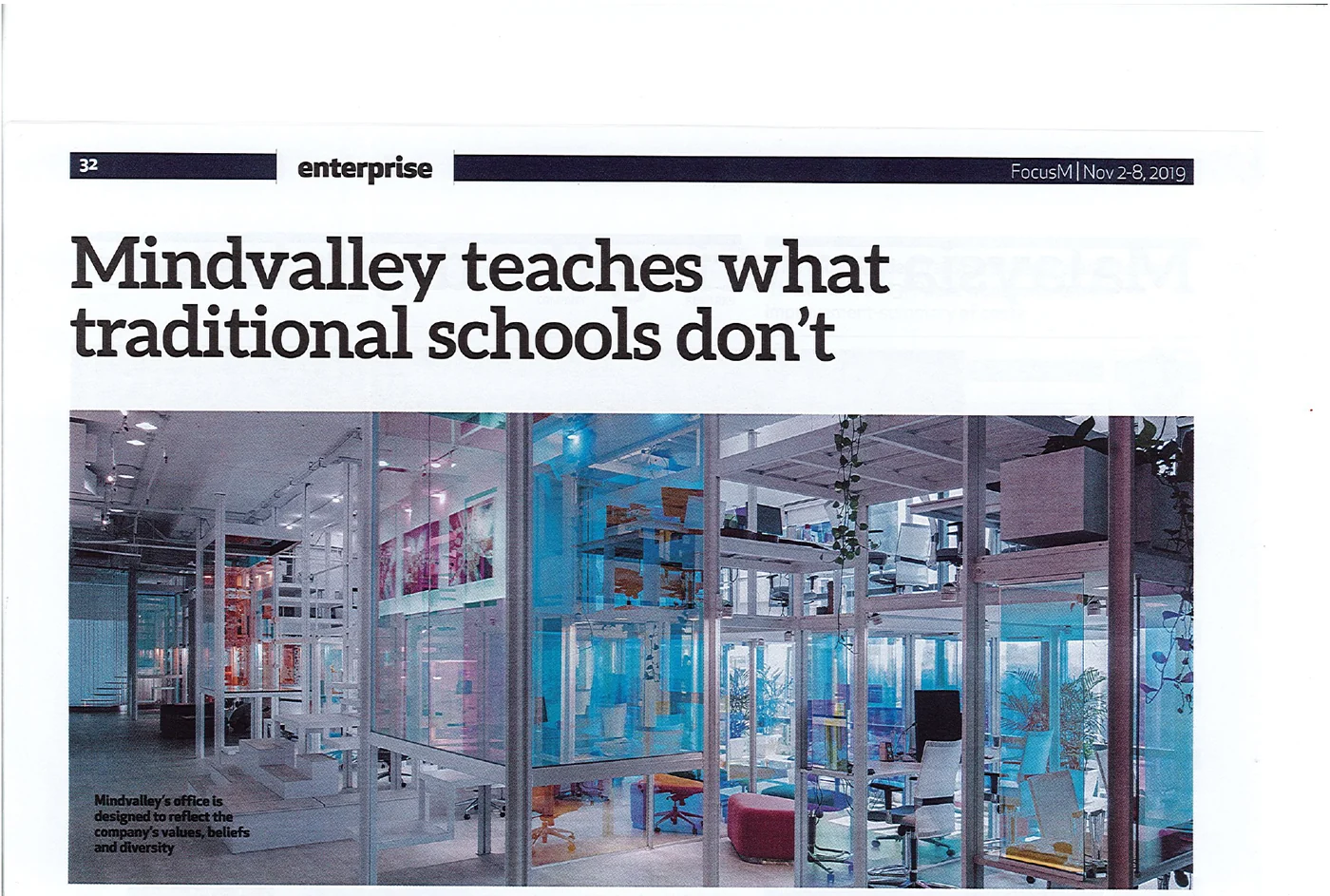
The press · Focus Malaysia, Nov 2019
The event
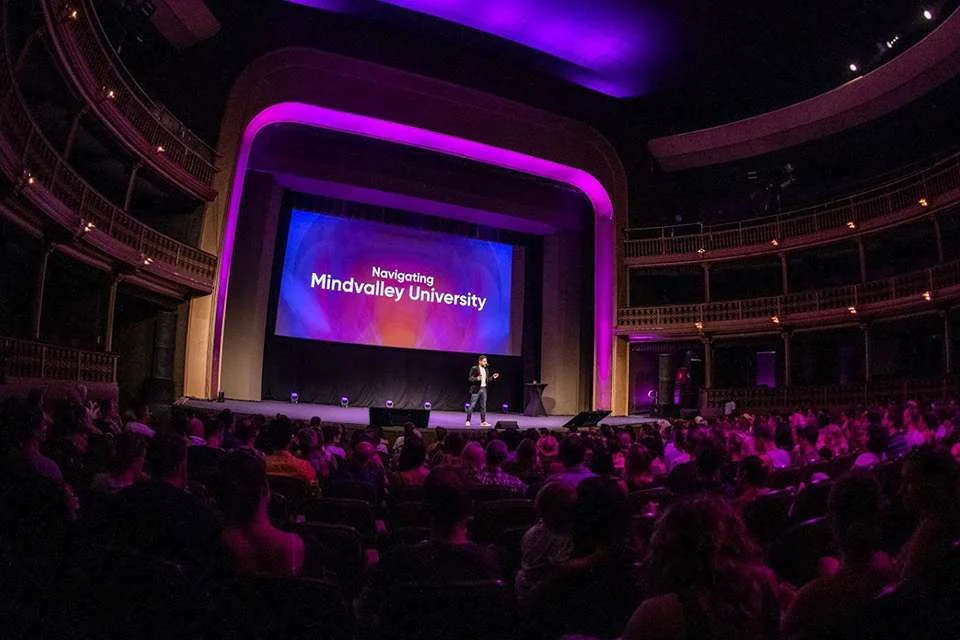
The events page
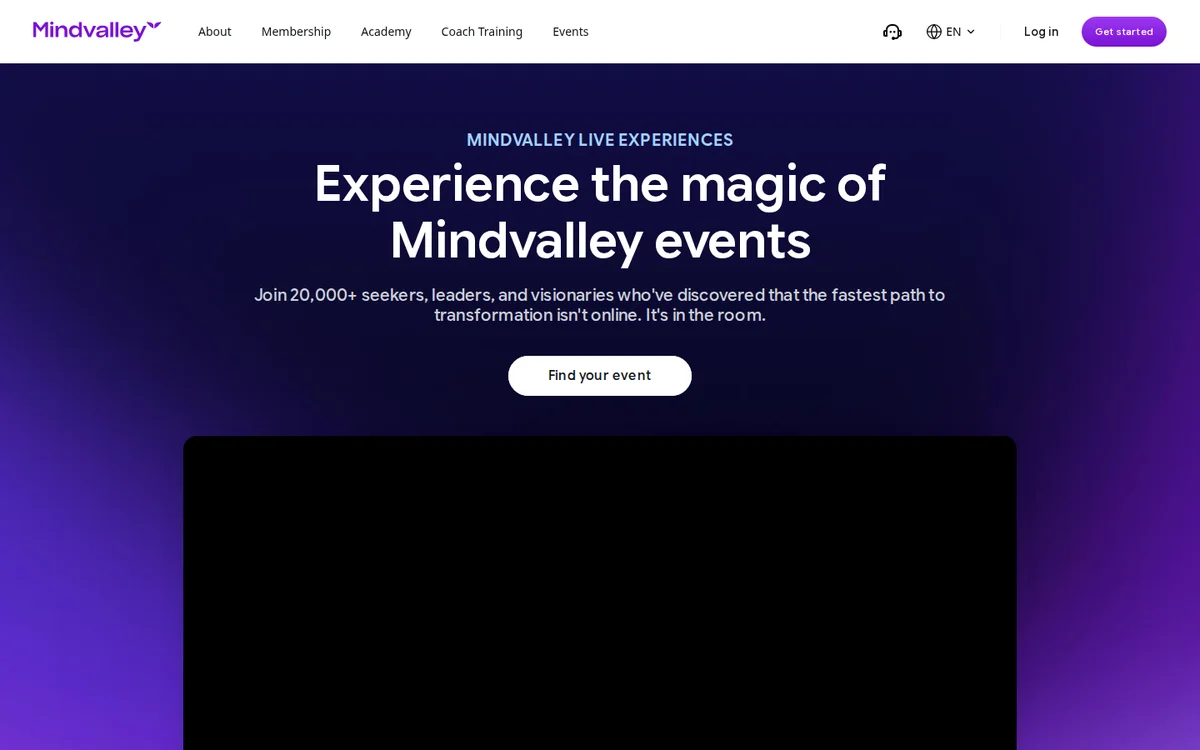
The press page
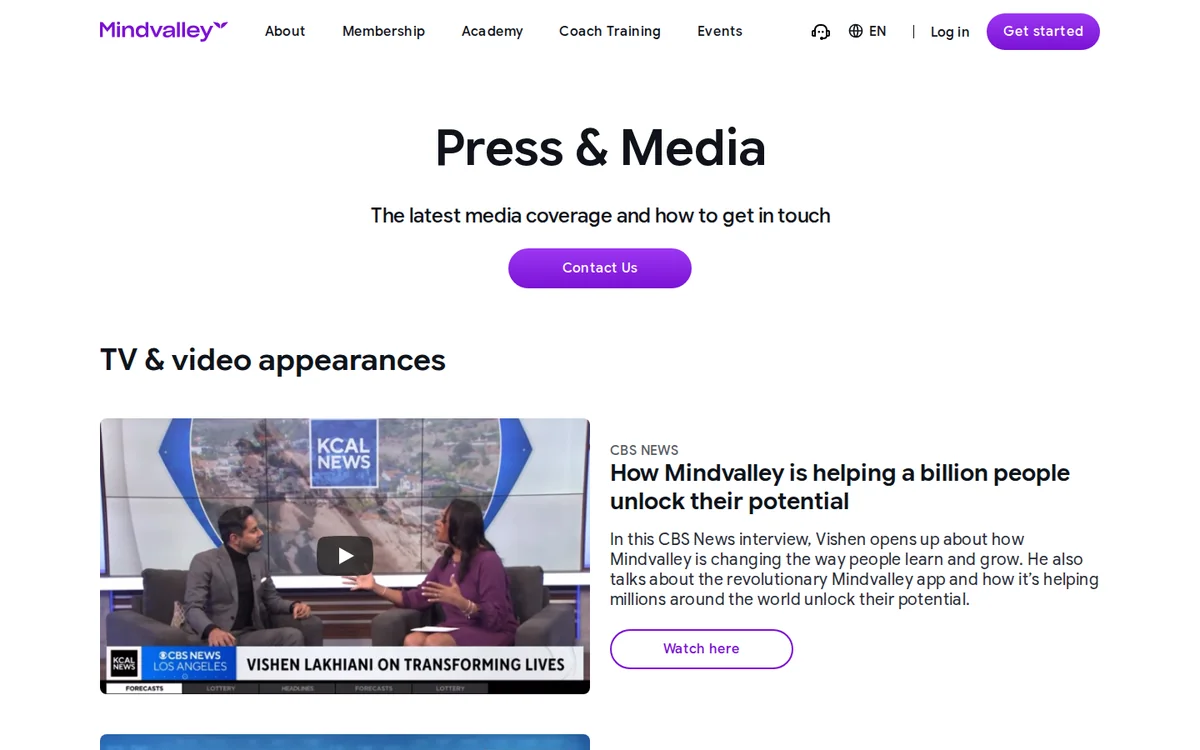
In their words
Ahmed has an in-depth knowledge of multiple marketing areas from social media strategy, SEO, and copywriting to partnerships and PR.
Annamaria Nagy · Content Writer, Mindvalley
What it means
Paid reach is rented and stops when the invoice does. Borrowed reach compounds: 16.5M combined reach across ten creators on zero placement spend, +9.2% new subscribers in a single launch day, and every link tracked so the next launch started with an audience instead of a budget line.
The long read
A launch with no media budget is a heist movie
Why does every launch meeting start the same way? Somebody draws a funnel, somebody else says the word awareness, and then a number appears that everyone agrees is too high. Running a launch with no placement budget is the point where that meeting stops being a marketing meeting and becomes an Ocean’s Eleven problem: you’ve got ten people, each with one job, and the whole thing is worthless unless all of them do it on the same night.
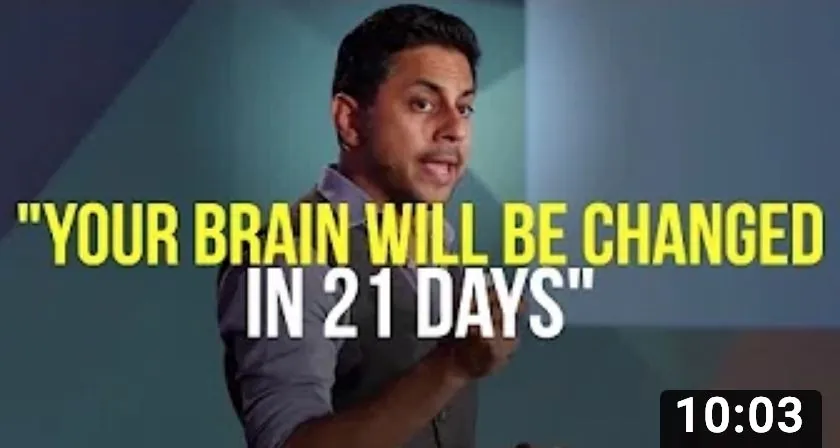
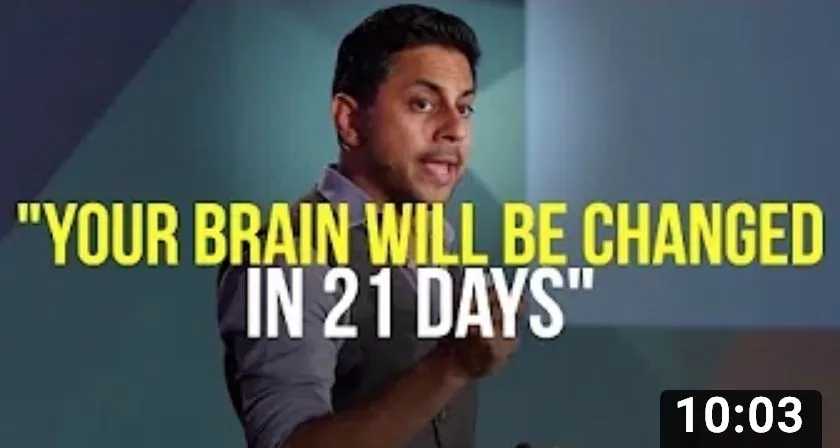
Jim Kwik’s Superbrain quest was that brief. A memory course, a hard launch date, and NO money to put it in front of anybody. The obvious move, buy reach, was the one move we couldn’t afford. So we did the other thing: we borrowed it.
Ten creators, one brief, one window of 20 to 25 April. Content approvals, ad account connections and scheduling all locked before day one, because a creator posting on the 27th is a creator posting after the film has already left the cinema. Nobody remembers the trailer that showed up a week late.
Counting the thing nobody counted
The part that made it a system rather than a stunt was boring and invisible: every creator post carried a tracked retargeting link. That single decision is the difference between reach and an audience. Reach is a number in a deck. An audience is a list you can actually talk to again on Tuesday, without paying anybody.
This is the Moneyball move, and it’s the same in every channel. The advantage is almost never the biggest name on the poster. It’s counting the thing nobody else bothered to count. Everyone in 2019 could tell you a creator’s follower count. Almost nobody could tell you which post produced a subscriber who was still there six months later. Imagine running an entire channel where nobody knows that.
We ended the window at 16.5M combined reach across ten creators, on ZERO placement spend, with +9.2% new subscribers in a single launch day. The reach number is the one that goes in the headline. The retargeting links are the reason there was a next launch.
What the campaign actually taught me
#IAmEnough was the same lesson from the other direction. We didn’t invent that campaign, we noticed it. The audience was already writing that sentence in comments and captions, and our job was to stop interrupting and start amplifying. There’s a version of that campaign where a brand tells people how to feel about themselves, and of course it would have landed like a corporate wellness poster in a break room.
Ten creators on one timeline, every link tracked, and a message the audience had half-written already. That’s the whole playbook, and it’s the one I rebuilt at Canonical with 48 creators instead of ten. The scale changed. The arithmetic DIDN’T.
So what’s the takeaway I’d defend in any room? Paid reach is a rental, and the invoice never stops. Borrowed reach, done with tracking and a real brief, compounds. The first launch costs you a favour. The second one costs you less.
Next story · Chapter 04 · Growth and agency
Three growth roles that cut cost and added customers.
-28%
CAC at Payd, while acquisition grew 35%
Your company could be next
Talk about doing this for your team.