28
specialist agents
July 2026 handover
27
skill groups with evals
July 2026 handover
13
SOPs
July 2026 handover
The stakes
Many classes, one small team.
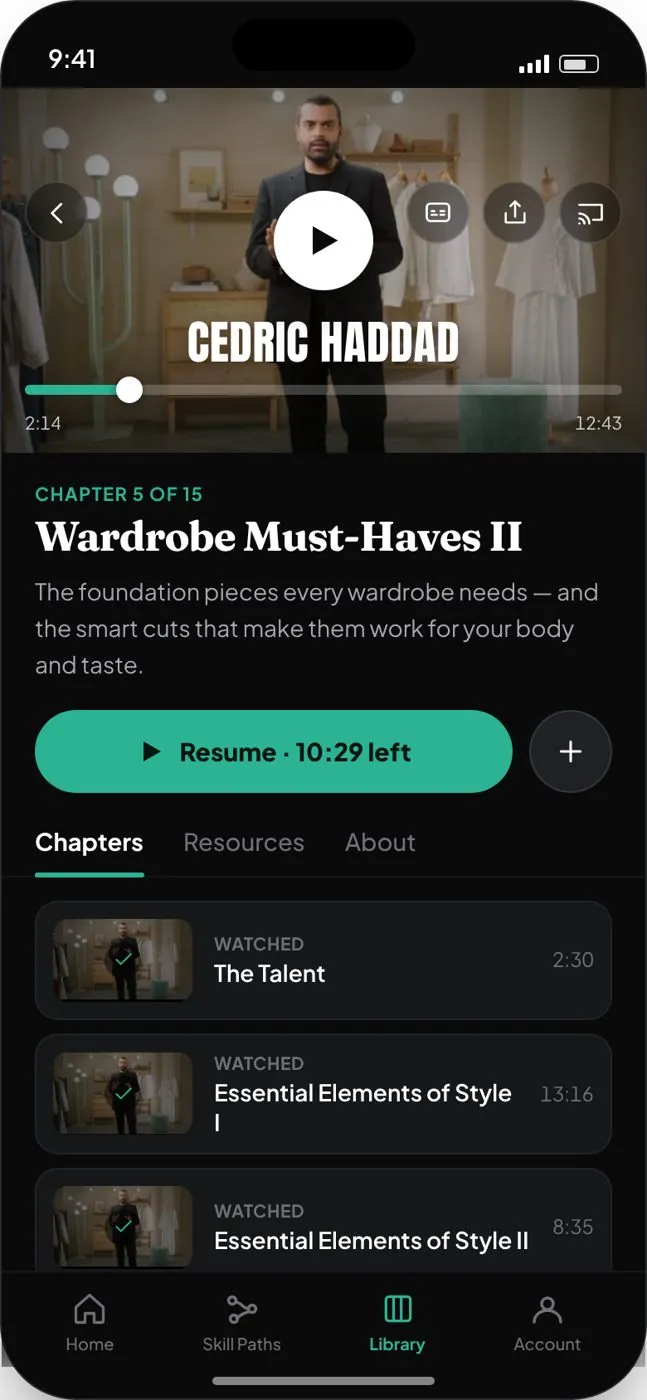
So I built agentic swarms that do product feature prototyping and marketing asset production. The interesting part isn’t the model. It’s that the thing has a gate: nothing is sent, published or paid for until a person approves it. 28 specialist agents, 27 skill groups with evals, 13 SOPs. At that point the systems are the product.
| Role | Senior Director of Marketing and Communications |
| Built solo | The marketing engine: agents, skills and an approval gate |
| Also built | The creative style, website layouts, player changes and new identity, with Claude |
01
Brief: the request starts as a brief, with the offer and the audience, which is the only step that needs a human at the front.
02
Orchestrator: the work fans out across nine streams, and none of them needs to know what the others are doing.
03
Quality gate: machine evals, then QA review, which is how you catch the thing a model is confidently wrong about.
04
Approval: one sign-off. Nothing ships without it, which is the whole reason the rest can move fast.
The proof
Nine streams, one gate.
The 9 streams
The engine, July 2026 handover
28
specialist agents
27
skill groups with evals
13
SOPs

What it means
One brief in, one sign-off out. A request starts as a brief with the offer and the audience, the orchestrator fans the work out across nine streams, machine evals and a QA review act as the quality gate, and then I approve it. Why would you let a machine draft something an audience will read? Because the gate at the end is human. Nothing is sent, published or paid for until that approval happens.
The long read
Not JARVIS. More like a very well-documented intern
Everyone wants JARVIS. What I actually built is closer to a very well-documented intern who never gets bored: 28 specialist agents, 27 skill groups with evals, and 13 SOPs, arranged so a brief goes in and one sign-off comes out.
The important part isn’t the agents. It’s that they have a HANDOVER POINT, which is the bit every AI demo quietly skips.
One brief, one sign-off
A request starts as a brief with the offer and the audience. That’s the only step that needs a human at the front. The orchestrator fans the work across nine streams, none of which needs to know what the others are doing.
Then machine evals, then a QA review. That’s how you catch the thing a model is confidently wrong about, which is a different failure mode from being unsure and considerably more expensive.
Then one approval. Nothing ships without it, and that single gate is the reason the rest can move fast. Remove it and you haven’t automated marketing, you’ve automated embarrassment.
The takeaway
So what’s the lesson? AI doesn’t remove the need for judgement. It moves judgement to the two places it actually matters: what the brief asks for, and what gets signed.
Headcount was never the constraint. Attention was. That’s what this actually buys you.
Next story · Chapter 02 · Canonical
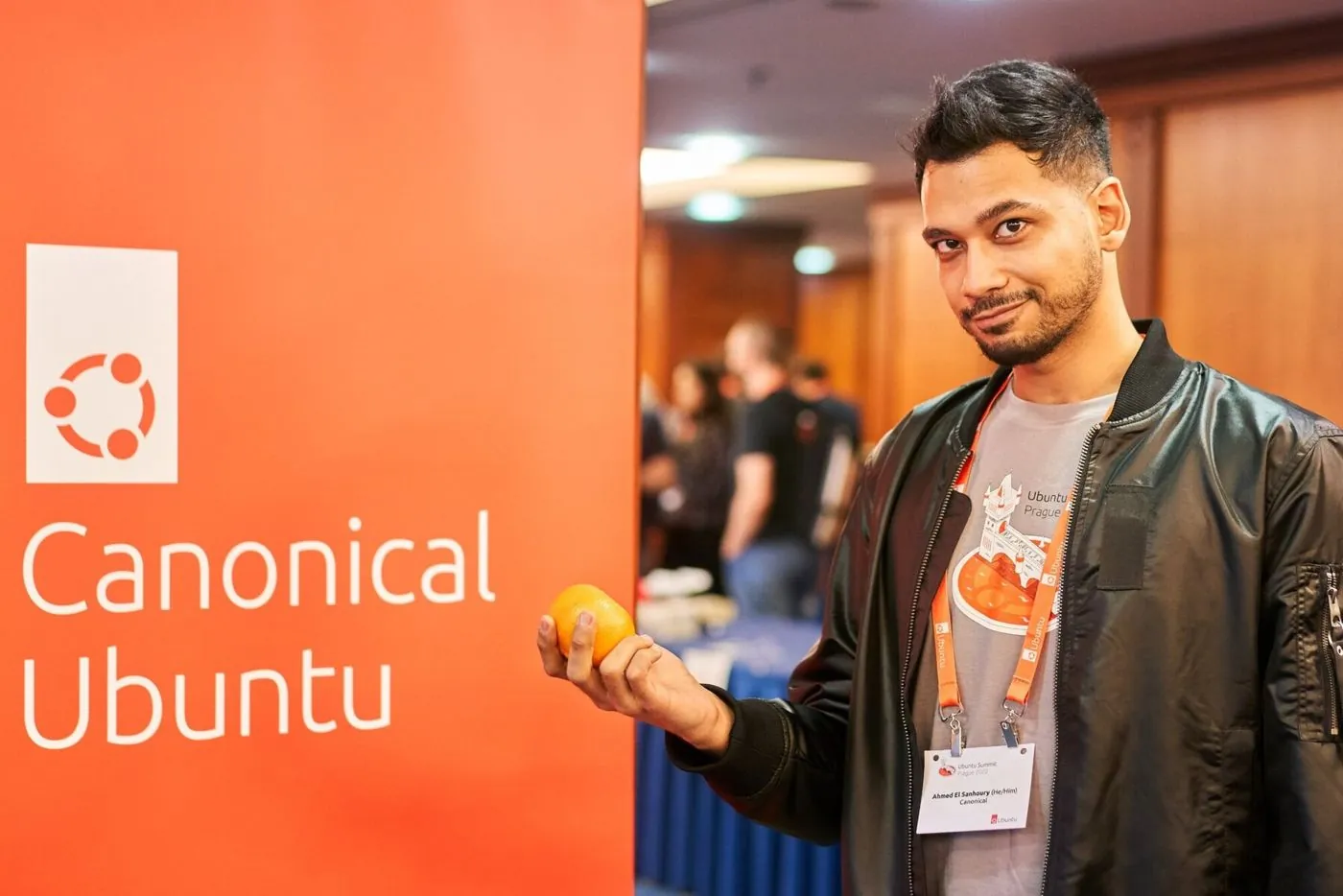
I took over every Canonical channel and made it run like a clock.
2.81M+
organic audience, 757K net new
Your company could be next
Talk about doing this for your team.