20+
products, 100+ partners
2022 to 2025
14.4%
LinkedIn engagement
20 Years of Ubuntu
2.1M
impressions
20 Years of Ubuntu
The stakes
Launches both companies wanted to post.
A joint launch has two comms teams, two sets of lawyers and one announcement, and the failure mode is a press release that reads like it was negotiated, because it was. The job was making launches both companies actually wanted to put on their own channels. That’s a writing problem before it’s a marketing problem. So which one were we solving?
| Role | Communications Manager |
| Period | 2022 to 2025 |
| Owned | Launch messaging, press and partner posts |
01
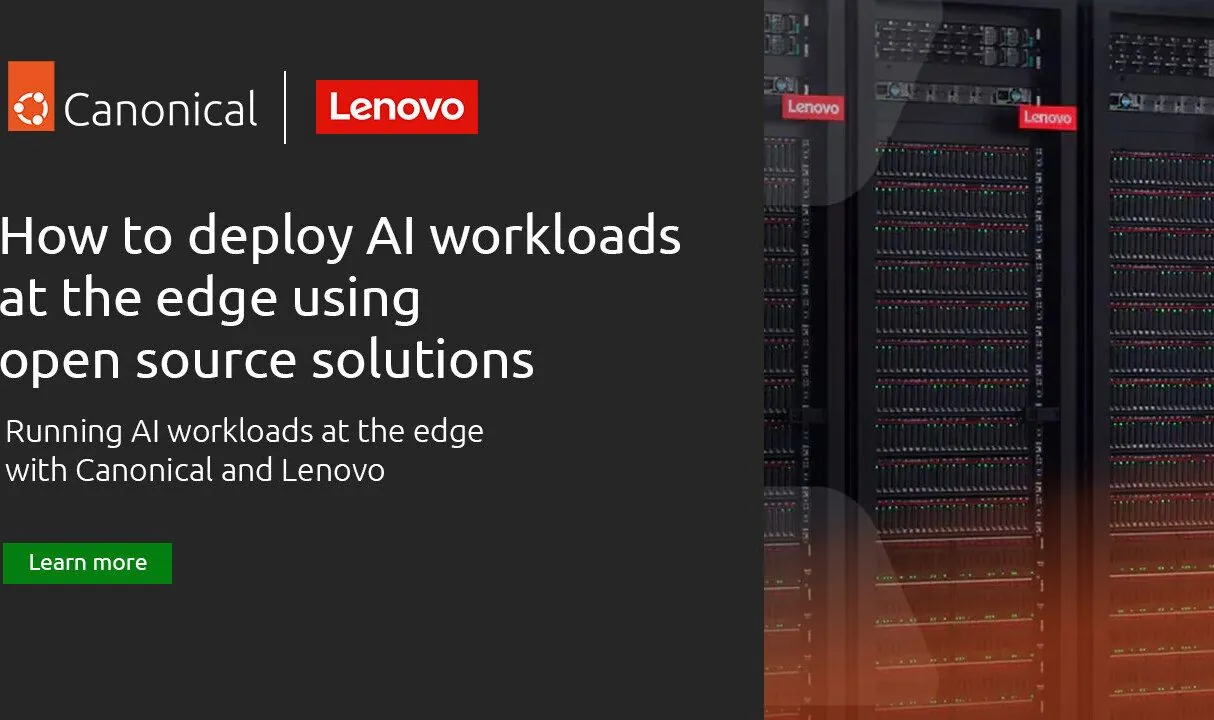
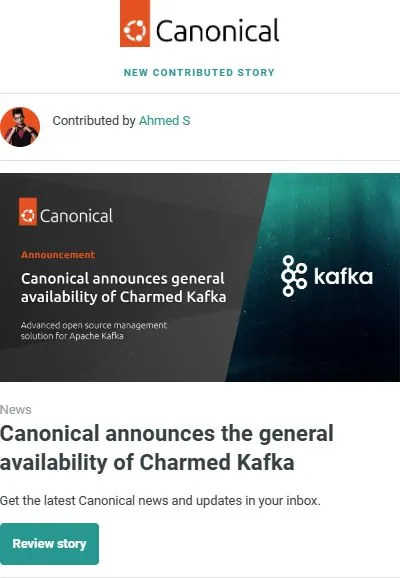
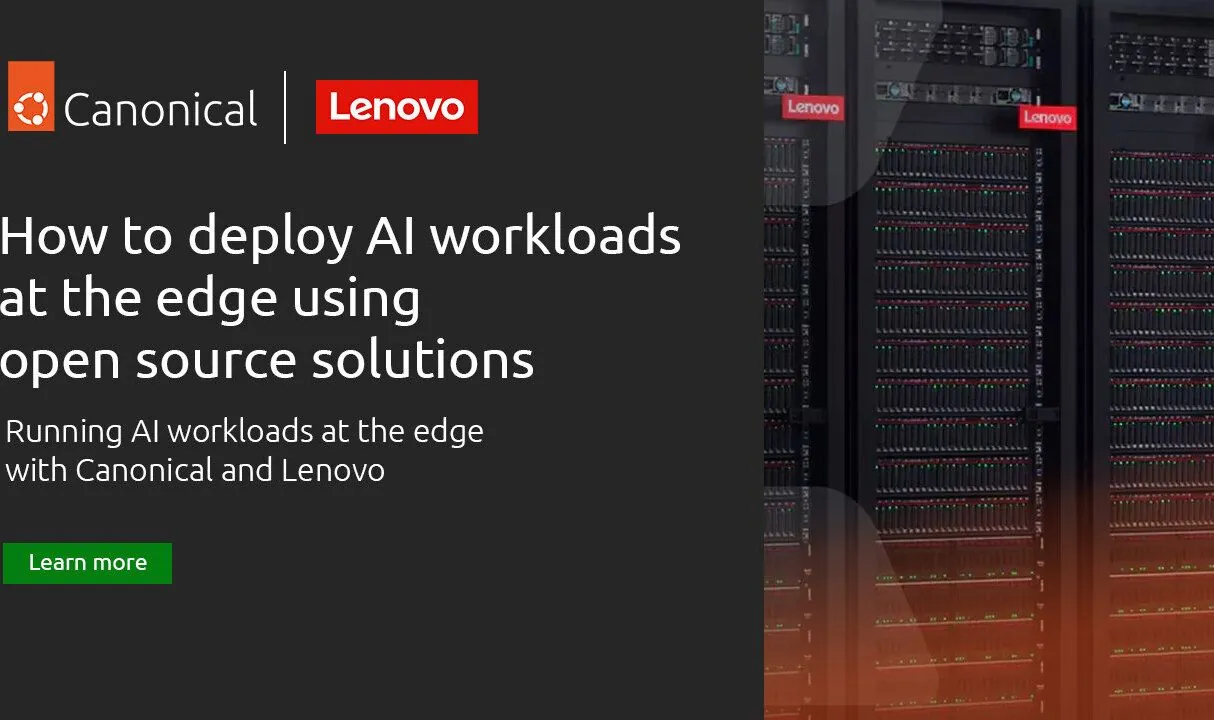
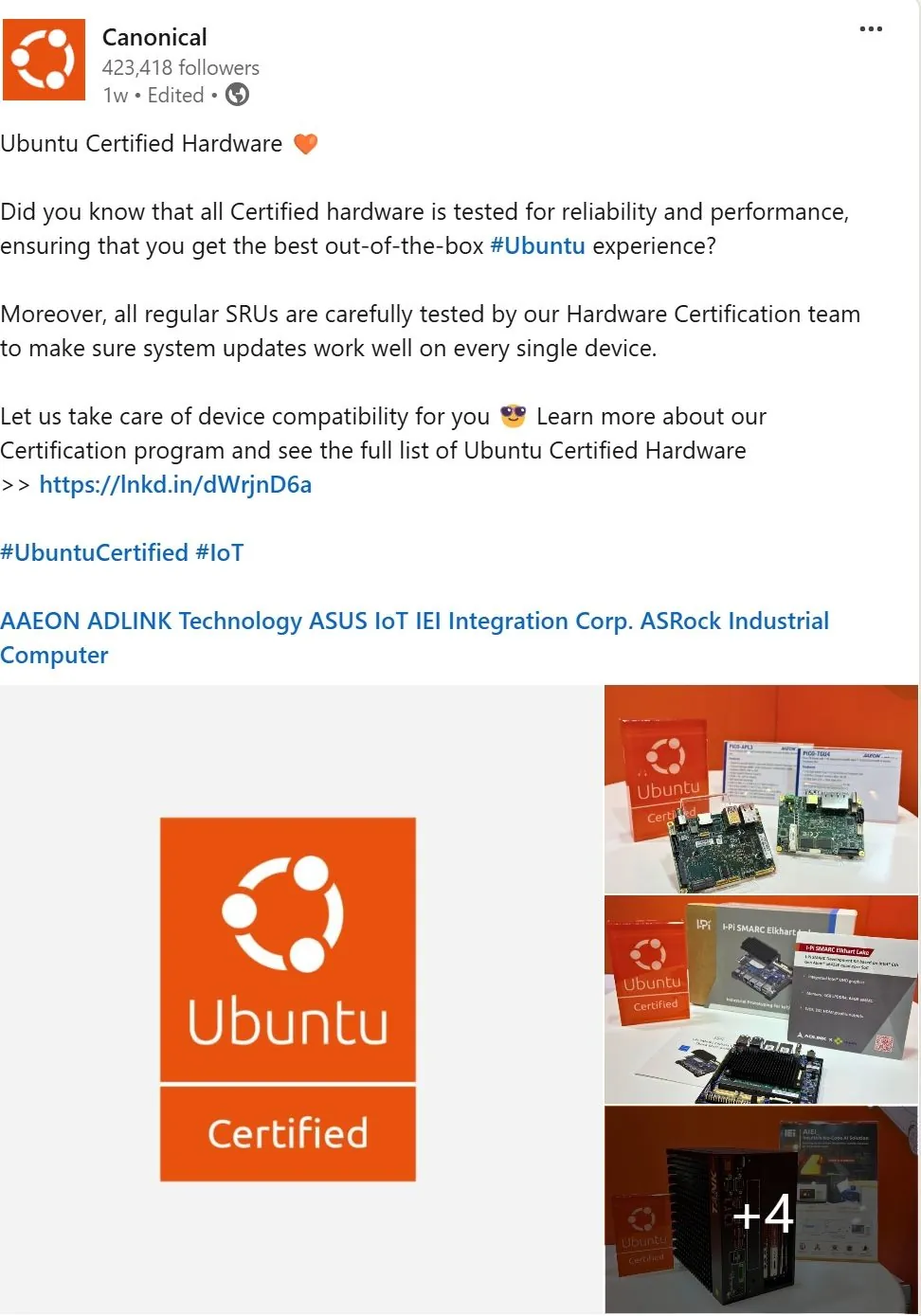
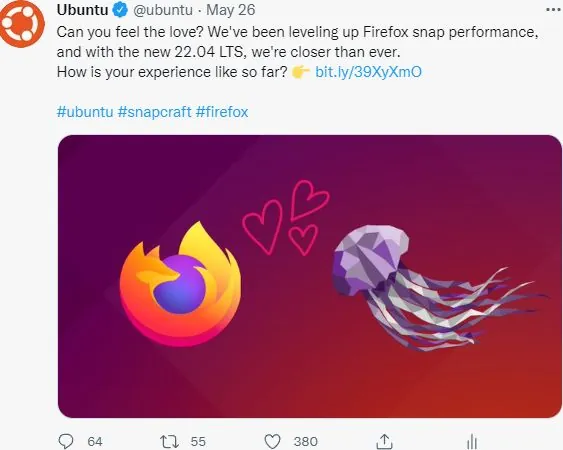
Enterprise developer products: launch messaging, press and partner posts for 20+ products, such as Charmed Kafka and AI at the edge, where the audience is technical enough to know when a claim is thin.
02
Joint launches with NVIDIA, Dell, Intel, Microsoft and more, which only work when both sides get something they’d have posted anyway.
03
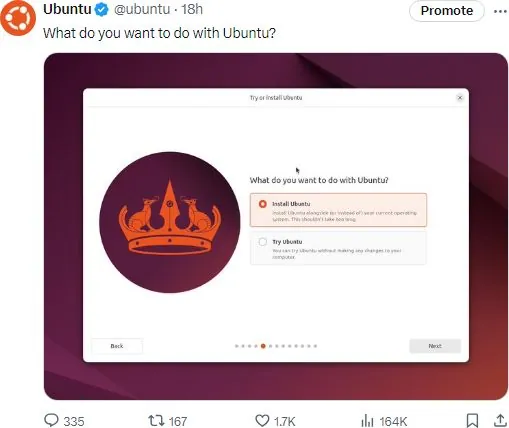
Ubuntu: ramp-up calendars for six release cycles, built on my ideas for social, because a release is a story that arrives on a schedule.
04
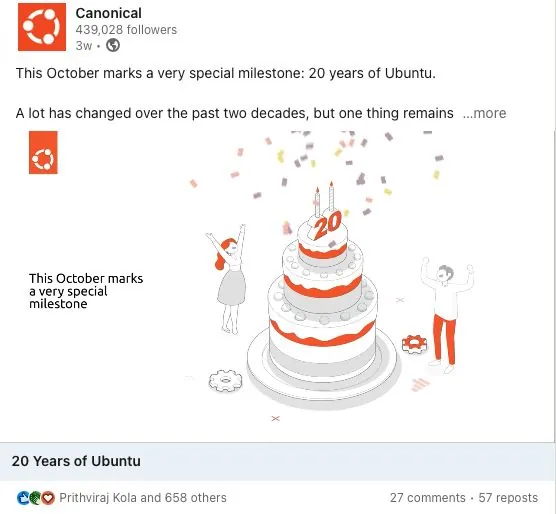
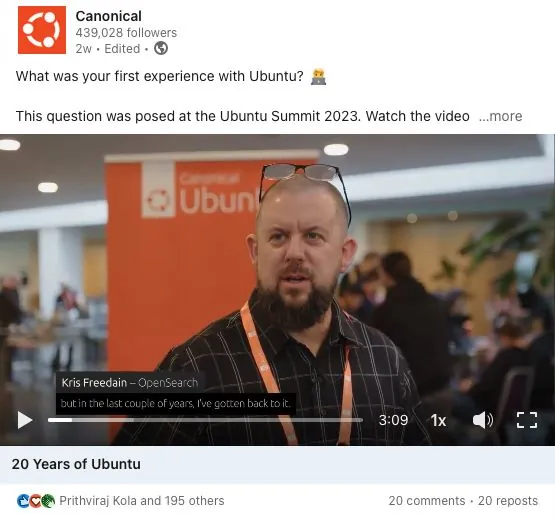
20 Years of Ubuntu: community interviews and one mascot morph on every asset, so the anniversary looked like it belonged to the people who made the twenty years.
The proof
Launches and moments that travelled.
Total impact: launches and moments
20+
products, 100+ partners
14.4%
LinkedIn engagement on 20 Years
2.1M
impressions
1.5M
video views, three releases
Twenty-two years of releases
44
Ubuntu releases to date
6
release cycles I ran
Launch asset
The press centre
The about page
In their words
He collaborated with the Product Marketing Manager and took proactive steps to manage campaigns, set social media and marketing goals, and coordinate a successful launch.
Michelle Tabirao · Product Manager, Canonical
From leading the socials side of product launches to dreaming up creative initiatives, Ahmed brought both strategy and spark.
Richard Ferreira · PMM for Ubuntu, Canonical

What it means
I co-wrote the releases and the launch campaigns both companies wanted to post, and tied the 20 year story to the 24.04 LTS release so it belonged to the community rather than to us. 20+ products and 100+ partners, and the 20 Years of Ubuntu campaign did 14.4% engagement on 2.1M impressions.
The long read
Two companies, one announcement
A joint launch is a birthday party with two sets of parents. Both sides want the photo, both sides want the caption, and if the guest list isn’t agreed in advance nobody has a good time.
Canonical launched with NVIDIA, Dell, Intel, Microsoft and more. 20+ enterprise developer products, 100+ partners. A co-launch only works when both sides get something they’d have posted anyway.
A release is a story that arrives on a date
Ubuntu is different. Six release cycles, each with a ramp-up calendar built on my ideas for social, because a release isn’t an announcement you make, it’s a story that arrives on a date and needs somewhere to land.
20 Years of Ubuntu was the one I’m proudest of: community interviews and one mascot morph on every asset, so the anniversary looked like it belonged to the community rather than to us. 2.1M impressions and 14.4% engagement, which is not a number you get by talking about yourself.
Twenty-two years of release days
Ubuntu ships twice a year, every April and October, and has since 4.10 in October 2004. That cadence is the whole discipline in one sentence: Warty Warthog, Hoary Hedgehog, Breezy Badger, Dapper Drake, Edgy Eft, Feisty Fawn, Gutsy Gibbon, Hardy Heron, Intrepid Ibex, Jaunty Jackalope, Karmic Koala, Lucid Lynx, Maverick Meerkat, Natty Narwhal, Oneiric Ocelot, Precise Pangolin, Quantal Quetzal, Raring Ringtail, Saucy Salamander, Trusty Tahr, Utopic Unicorn, Vivid Vervet, Wily Werewolf, Xenial Xerus, Yakkety Yak, Zesty Zapus, Artful Aardvark, Bionic Beaver, Cosmic Cuttlefish, Disco Dingo, Eoan Ermine, Focal Fossa, Groovy Gorilla, Hirsute Hippo, Impish Indri, Jammy Jellyfish, Kinetic Kudu, Lunar Lobster, Mantic Minotaur, Noble Numbat, Oracular Oriole, Plucky Puffin, Questing Quokka and Resolute Raccoon. Forty-four releases, every six months, for twenty-two years, whether the world is ready or not.
My part of that clock was the audience side: the channels, the release content, and the engagement around release day. Six release cycles ran through me. The codenames are the fun part. The calendar behind them is the actual job.
The wallpaper competition
The wallpaper competition is the piece of a release that has nothing to do with code and everything to do with ownership. Artists submit, the community votes, and the winning images end up on millions of desktops. It is the cheapest brand campaign in open source and almost nobody calls it marketing. What it really does is let the audience put their own work on the product, which is a very different relationship from being shown a logo.
Release day is a live event
A release day is a countdown, a set of assets that has to be correct at the moment of publication, and a global audience that will notice within seconds if it is not. The engagement content is planned weeks ahead, because on the day itself there is no time left to be creative, only fast and correct. Every release is a small opening night, and the audience has seen the film before.
The weeks when something breaks
The job also includes the weeks nobody puts in a portfolio. When something breaks, or a security story is moving faster than an approval chain, communications stops being creative and becomes incident response: one voice, known facts only, and the discipline to say LESS rather than guess. The instinct in those hours is to fill the silence. The correct move is almost always to say what you know, say when you will know more, and then actually come back at that time.
The takeaway
What did I learn? The launch isn’t the press release. The launch is the six weeks before it and the eighteen months after.
And the discipline that matters most: write the announcement both companies want to post. If you can’t, you don’t have a launch, you have a negotiation with a HASHTAG.
Next story · Chapter 02 · Canonical
I pivoted the channels to video, and every event became a content studio.
15.6M+
video views, 2022 to 2024
Your company could be next
Talk about doing this for your team.